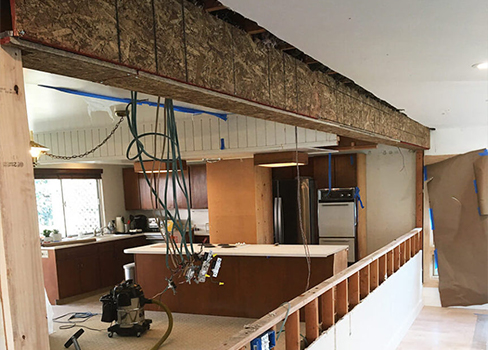
Let’s be honest. Some days, stepping into the kitchen feels like preparing for a minor expedition, not making dinner. You’re not avoiding cooking because you dislike food. Often, it’s because the space itself seems to work against you at every turn. That pot you need? Buried behind three others. The trash can? Practically in another zip code when your hands are full. The constant shuffle around open drawers and the fridge-door tango sound familiar?
Here’s the thing nobody says enough: Your kitchen layout might be the real problem. Not your skills, not your enthusiasm. The actual shape and flow of the space you cook in could be turning simple tasks into frustrating puzzles. It adds hidden friction, making you feel clumsy and rushed before you even start chopping.
Think back to your last time cooking:
- You walked endless laps between the stove, sink, and fridge.
- The cutting board had no proper home, wobbling precariously.
- Finding the olive oil felt like a treasure hunt through cabinets.
- You felt boxed in, bumping counters or dodging appliances.
If this rings true, your kitchen’s design is fighting you. It’s like trying to dance in shoes two sizes too small. No wonder cooking feels like a chore!
The Secret Sauce: It’s All About Flow (Forget Complicated Jargon)
You might have heard of the “kitchen work triangle.” Don’t worry about perfect geometry. It simply means the three big players – your sink, stove, and fridge – need to work together smoothly. They shouldn’t be miles apart (forcing long walks) or jammed together (causing traffic jams).
When this core flow works, things just click. Draining pasta and turning straight to the waiting pan feels natural. Grabbing butter from the fridge and pivoting to your mixing bowl happens without thought. It feels easy.
But when does the layout disrupt this flow? That’s when the struggle kicks in:
- The Galley Gridlock: Narrow kitchens with counters facing each other save space but feel cramped. Moving around becomes a constant shuffle, especially with two people. Appliances at opposite ends mean lots of back-and-forth.
- The Island Intruder: Islands are great for extra space unless they sit smack in the middle of your main paths. Suddenly, getting from the fridge to the sink requires a detour around a permanent obstacle.
- The Lonely Appliance: The microwave hidden in a corner? The oven is far from the prep area? Each use adds unnecessary steps, breaking your rhythm.
- The Missing Landing Pad: Nowhere safe to put a hot pan straight from the oven? No clear spot next to the sink for draining dishes or stacking dirty ones? This invites spills and stress.
How Your Kitchen’s Shape Steals Your Time and Joy
This isn’t just about minor annoyances. A clunky layout actively makes cooking harder and less fun:
- Eats Up Your Time & Energy: All those extra steps? They add minutes, even hours, to your cooking time over a week. A 30-minute meal becomes 45 just from walking. You finish feeling drained, not satisfied.
- Wears You Down Physically: Constant twisting, reaching awkwardly for essentials, bending low – this strains your back, shoulders, and neck over time. Cooking shouldn’t leave you aching!
- Creates More Mess: When things aren’t handy, spills happen. Carrying ingredients further increases the chance of accidents. Clutter builds because there’s no logical spot for everything.
- Sucks Out the Fun: Feeling constantly frustrated by your space turns cooking from a potential pleasure into a job you dread. It stifles any creative spark.
- Keeps Help Away: If the kitchen feels like a confusing maze, family or friends won’t jump in to help. You end up doing it solo.
Fight Back: Small Changes, Big Wins (No Sledgehammer Required!)
The best part? You likely don’t need a major remodel or huge expense. Often, big improvements come from smarter use of the space you already have. Focus on how you cook and optimize for that flow.
Here’s your battle plan:
- Create Activity Zones: Think beyond appliances. Define areas based on what you do.
- Prep Central: Your main spot near the sink. Needs knives, cutting boards, bowls, trash/recycling, and common oils/spices right there. Guard this counter space fiercely!
- Cooking Command: Around the stove/oven. Store pots, pans, lids, spatulas, cooking oils, and potholders within easy reach. A utensil crock is perfect here.
- Clean-Up HQ: Focused on the sink and dishwasher. Keep dish soap, sponges, towels, and detergent close. Designate a landing spot for dirty dishes.
- Storage Stations (Fridge/Pantry): Organize inside logically, too! Group baking supplies, snacks, and lunch items. Make it easy to find what you need.
- Master Your Storage:
- Use It Often? Keep It Close: Daily essentials (favorite skillet, everyday plates, coffee mugs) deserve prime real estate – eye-level shelves, easy-to-open drawers near where you use them. Holiday dishes? They can live higher up or lower down.
- Choose Drawers Over Deep Holes: Deep cabinets swallow things whole. Drawers bring everything into sight. Use them for pots, pans, containers, even pantry items (with organizers!). Deep drawers near the oven are ideal for baking sheets.
- Look Up (And Down): Use shelf risers inside cabinets to double space. Hang frequently used pots and pans on a wall rack. Stick hooks inside cabinet doors for measuring cups or pot lids. Get things visible and accessible.
- Group Like with Like: Use drawer dividers for utensils. Put bins or baskets inside cabinets to hold similar items together (all baking stuff, all snacks, all pasta). Clear containers in the pantry show you what you have instantly.
- Claim Your Landing Strips:This is critical! You need clear counter space:
- Right beside the stove: For setting down hot pans, tasting, and resting spoons.
- Right beside the Sink: For draining dishes, stacking dirty ones, and prepping veggies.
- Right beside the fridge: This is for unloading groceries or setting things up before putting them away.
Even a small clear area (12-18 inches) makes a huge difference. Clear the clutter to win back this vital territory.
- Watch the Foot Traffic: Notice how people move through the kitchen. Does the main path from the living room to the backyard cut right through your prep zone? If possible, try to arrange your key work areas (like prep and cooking) away from these major walkways. An island can help define space, but only if it doesn’t block the essential path between sink, stove, and fridge.
Your Kitchen Should Be Your Partner, Not Your Opponent
Picture this instead: You walk in, grab a knife and board from the drawer next to your clear prep counter by the sink. The trash can slides out right under the counter. You pull veggies from the fridge, wash them, chop them – all in one smooth spot. Spices are in the cabinet above. Olive oil sits nearby. You turn and slide veggies into the hot pan. Your spatula hangs beside the stove. The pasta pot is in the drawer below. Boiling water happens while you stir. Draining is a simple pivot. Dirty dishes land right beside the sink. It feels fluid. Calm. Maybe even pleasant?
That’s the magic of a layout that flows and smart organization. It removes the hidden speed bumps that make cooking feel so difficult.
Final Verdict
Your kitchen’s layout might not have been designed with your cooking rhythm in mind. But you can take charge, but if you can’t, trust Renos by Rob D to do so. We can understand the flow and make smart, intentional changes to how you store and organize, and help you slash that daily friction. You’ll save time, save your energy, save your good mood, and perhaps even find yourself looking forward to making a meal in a space that finally feels like it’s helping, not hindering. Now that’s a recipe for success.